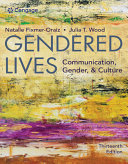


Gendered Lives Communication Gender and Culture 5th Edition by Natalie Fixmer Oraiz 8214582436 9798214582436


Original price was: $50.00.$25.00Current price is: $25.00.
Gendered Lives: Communication, Gender, and Culture 5th Edition by Natalie Fixmer-Oraiz – Ebook PDF Instant Download/DeliveryISBN: 8214582436, 9798214582436
Full download Gendered Lives: Communication, Gender, and Culture 5th Edition after payment.
Product details:
ISBN-10 : 8214582436
ISBN-13 : 9798214582436
Author : Natalie Fixmer-Oraiz
Packed with the latest research and emerging issues from the field, Wood/Fixmer-Oraiz’s, GENDERED LIVES: COMMUNICATION, GENDER, & CULTURE, 14th Edition, equips you with the knowledge and tools to think critically about gender and society. Written by leading gender communication scholars, the text offers an intersectional approach to understanding gender development, identity and politics as it demonstrates the multiple and often interactive ways your views of gender are shaped within contemporary culture. The 14th edition offers expansive coverage of LGBTQ+ issues, queer and trans theory, intersex activism, recent feminist movements, reproductive violence, an integrated emphasis on social media and a strong focus on gender in the public sphere. Its current coverage and conversational, first-person writing styles make it an engaging introduction to the field!
Gendered Lives: Communication, Gender, and Culture 5th Table of contents:
Part 1. Conceptual Foundations
1. The Study of Communication, Gender, and Culture
1.1. Communication, Gender, and Culture as an Area of Study
1.1a. Research on Gender, Communication, and Culture
1.1b. Reasons to Learn about Communication, Gender, and Culture
1.2. Gender in a Transitional Era
1.3. Sex/Gender Difference
1.4. Relationships among Gender, Culture, and Communication
1.4a. Sex
1.4b. Gender
1.4c. Beyond Sex and Gender
1.4d. Culture
1.4e. Communication
Summary
Key Terms
Reflection, Discussion, and Action
Recommended Resources
2. Theoretical Approaches to Gender Development
2.1. Theoretical Approaches to Gender
2.2. Biological Theories of Gender
2.3. Interpersonal Theories of Gender
2.3a. Psychodynamic Theories of Gender Development
2.3b. Psychological Theories of Gender Development
2.4. Cultural Theories of Gender
2.4a. Anthropology
2.4b. Symbolic Interactionism
2.5. Critical Theories of Gender
2.5a. Standpoint Theory
2.5b. Queer Theory
2.6. Theories Working Together
Summary
Key Terms
Reflection, Discussion, and Action
Recommended Resources
3. The Rhetorical Shaping of Gender: Feminist Movements
3.1. The Four Waves of Feminism in the United States
3.2. The First Wave of Feminism in the United States
3.2a. Liberal Ideology: The Women’s Rights Movement
3.2b. Cultural Ideology: The Cult of Domesticity
3.3. The Second Wave of Feminism in the United States
3.3a. Liberal Ideology
3.3b. Cultural Ideology
3.4. Contemporary Feminisms
3.4a. Riot Grrrl
3.4b. Power Feminism
3.4c. Transfeminism
3.4d. Mainstream Third-Wave Feminism
3.4e. Hip-Hop Feminism
3.4f. A Fourth Wave of Feminism?
Summary
Key Terms
Reflection, Discussion, and Action
Recommended Resources
4. The Rhetorical Shaping of Gender: Masculinity, Men, and Social Movements
4.1. Profeminist Men’s Groups
4.1a. NOMAS
4.1b. ACT UP: The AIDS Coalition to Unleash Power
4.1c. Men’s Antiviolence Groups
4.2. Masculinist Men’s Groups
4.2a. Men’s Rights
4.2b. Fathers’ Rights Groups
4.2c. Mythopoetic Men
4.2d. Promise Keepers
4.2e. The Millions More Movement
4.3. Contemporary Men’s Movements
4.4. The Good Men Project
Summary
Key Terms
Reflection, Discussion, and Action
Recommended Resources
5. Gendered Verbal Communication
5.1. Verbal Communication Expresses Cultural Views of Gender
5.1a. Gendered Language Excludes
5.1b. Language Defines Gender as Binary
5.1c. Language Shapes Awareness of Gendered Issues
5.1d. Language Organizes Perceptions of Gender
5.1e. Language Evaluates Gender
5.1f. Language Allows Self-Reflection
5.2. Gendered Styles of Verbal Communication
5.2a. Gendered Speech Communities
5.2b. The Lessons of Children’s Play
5.2c. Gendered Communication Practices
5.2d. Gender-Based Misinterpretations in Communication
Summary
Key Terms
Reflection, Discussion, and Action
Recommended Resources
6. Gendered Nonverbal Communication
6.1. Functions of Nonverbal Communication
6.1a. Supplement Verbal Communication
6.1b. Regulate Interaction
6.1c. Establish the Relationship Level of Meaning
6.2. Forms of Nonverbal Communication
6.2a. Artifacts
6.2b. Proximity and Personal Space
6.2c. Haptics (Touch)
6.2d. Kinesics (Facial and Body Motion)
6.2e. Paralanguage
6.2f. Physical Appearance
6.2g. Interpreting Nonverbal Behavior
6.2h. Respecting Gendered Styles of Nonverbal Communication
Summary
Key Terms
Reflection, Discussion, and Action
Recommended Resources
Part 2. Gendered Communication in Practice
7. Becoming Gendered
7.1. Gendering Communication in the Family
7.1a. Unconscious Processes
7.2. Parental Communication about Gender
7.2a. Parental Modeling
7.3. The Personal Side of the Gender Drama
7.3a. Growing Up Masculine
7.3b. Growing Up Feminine
7.3c. Growing Up outside Conventional Genders
Summary
Key Terms
Reflection, Discussion, and Action
Recommended Resources
8. Gendered Education: Communication in Schools
8.1. Gendered Expectations and Pressures Facing Students
8.1a. Academics
8.1b. Athletics
8.1c. Gender Pressures from Peers
8.2. Gendered Expectations and Pressures Facing Faculty
Summary
Key Terms
Reflection, Discussion, and Action
Recommended Resources
9. Gendered Close Relationships
9.1. The Meaning of Personal Relationships
9.1a. Models of Personal Relationships
9.2. Gendered Styles of Friendship
9.2a. Feminine Friendships: Closeness in Dialogue
9.2b. Masculine Friendships: Closeness in the Doing
9.2c. Friendships across Gender
9.3. Gendered Romantic Relationships
9.3a. Developing Romantic Intimacy
9.3b. Gendered Patterns in Committed Relationships
Summary
Key Terms
Reflection, Discussion, and Action
Recommended Resources
10. Gendered Organizational Communication
10.1. Gendered Stereotypes in the Workplace
10.1a. Stereotypes of Women
10.1b. Stereotypes of Men
10.2. Nonbinary Gender and LGBTQ+ Identity in Organizations
10.3. Masculine Norms in Professional Life
10.3a. Traditionally Masculine Images of Leaders
10.3b. Traditionally Masculine Norms for Career Paths
10.4. Gendered Patterns in Organizations
10.4a. Formal Practices
10.4b. Informal Practices
10.5. Efforts to Redress Gendered Inequity in Institutions
10.5a. Equal Opportunity Laws
10.5b. Affirmative Action Policies
10.5c. Quotas
10.5d. Goals
10.5e. Diversity Training
Summary
Key Terms
Reflection, Discussion, and Action
Recommended Resources
11. Gendered Media
11.1. Media Saturation of Cultural Life
11.2. Media Impacts
11.2a. Set the Agenda
11.2b. Regulate Images of Gender
11.2c. Motivate Us to Consume
11.3. Gender and Social Media
11.3a. Social Networking
11.3b. Learning and Sharing Information
11.3c. Holding Others Accountable
11.3d. Activism
11.4. Consequences of Gendered Media
11.4a. Normalize Unrealistic Standards
11.4b. Media Normalizes Gendered Violence
Summary
Key Terms
Reflection, Discussion, and Action
Recommended Resources
12. Gendered Power and Violence
12.1. The Many Faces of Gendered Violence
12.1a. Gender Intimidation
12.1b. Sexual Harassment
12.1c. Sexual Assault
12.1d. Intimate Partner Violence
12.1e. Nonconsensual Genital Surgery
12.1f. Gender-Based Murder
12.2. Cultural Foundations of Gendered Violence
12.2a. The Normalization of Violence in Media
12.2b. The Normalization of Violence by Institutions
12.3. Resisting Gendered Violence: Where Do We Go from Here?
12.3a. Personal Efforts to Reduce Gendered Violence
12.3b. Social Efforts to Reduce Gendered Violence
12.3c. Taking a Voice
People also search for Gendered Lives: Communication, Gender, and Culture 5th:
gendered lives apa citation
gendered lives communication gender and culture
gendered lives communication gender and culture 13th edition
gendered lives communication gender and culture by julia t wood
gendered lives communication gender and culture 1994
Tags: Gendered Lives, Communication, Gender, Culture, Natalie Fixmer Oraiz
You may also like…

Languages - Japanese Language Reference

Poetry - American Poetry
Psychopharmacology in British Literature and Culture, 1780–1900 1st Edition

Uncategorized

Politics & Philosophy - Social Sciences
Gendered Lives: Intersectional Perspectives 7th Edition Gwyn Kirk

Politics & Philosophy

Politics & Philosophy - Anthropology
Gendered Lives: Communication, Gender, & Culture Twelfth Edition Julia T. Wood