
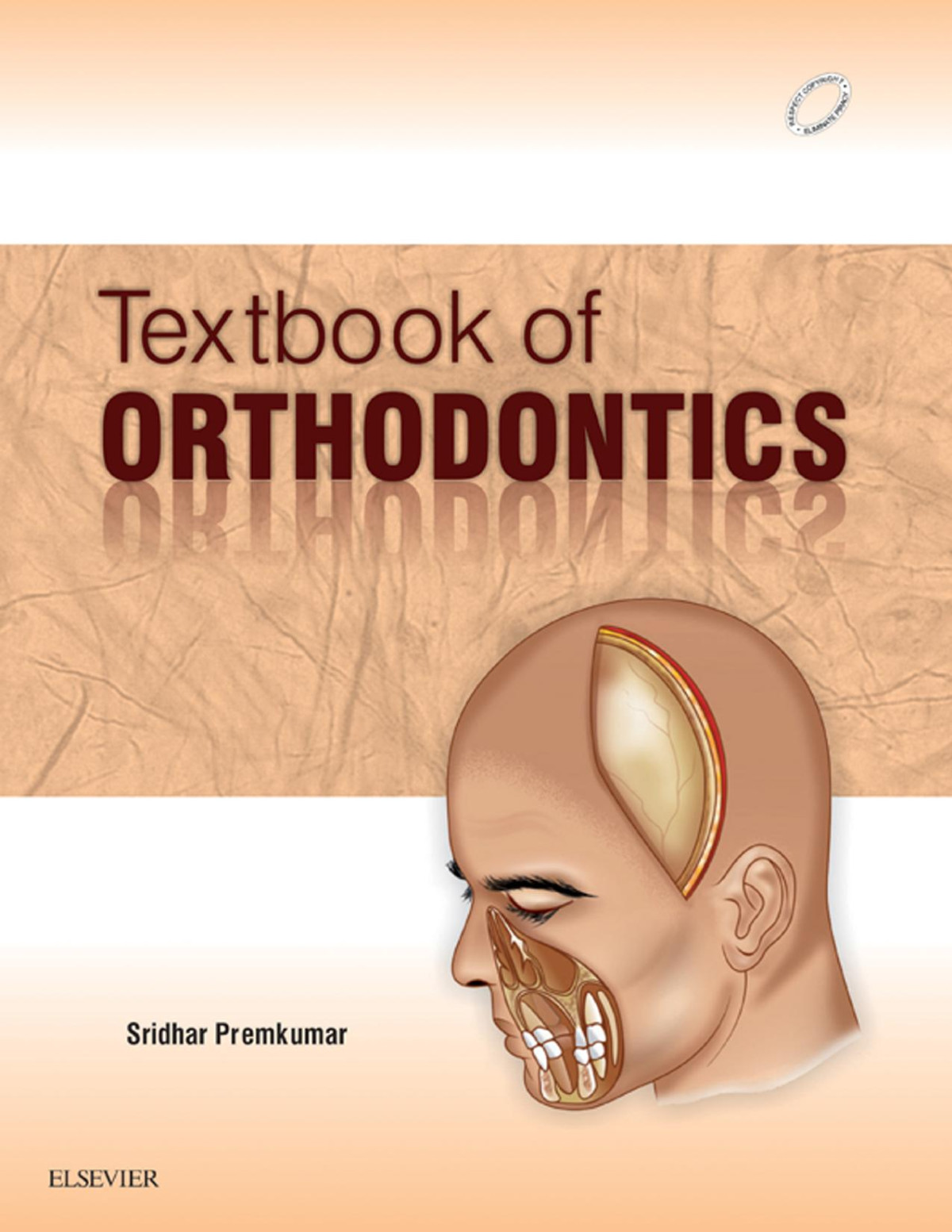
TEXTBOOK OF ORTHODONTICS 1st edition by Sridhar Premkumar 8131240366 9788131240366
Original price was: $50.00.$25.00Current price is: $25.00.
TEXTBOOK OF ORTHODONTICS 1st edition by Sridhar Premkumar – Ebook PDF Instant Download/DeliveryISBN: 8131240366, 9788131240366
Full download TEXTBOOK OF ORTHODONTICS 1st edition after payment.
Product details:
ISBN-10 : 8131240366
ISBN-13 : 9788131240366
Author: Sridhar Premkumar
This book is an effort to step up with the present changing scenarios of learning. It is the fruition of striking a balance between rejuvenated fundamentals of classical manuscripts, the fresh knowledge rich curriculum and tailored resource package with outstanding transparencies. It combines the strong foundation of basic core elements of orthodontic concepts, proper diagnosis and recognition of problems and exposure to treatment strategies and methodologies.
It is a definite book for all dental undergraduates and an excellent supplement for all students undergoing postgraduate specialist training in orthodontics.
TEXTBOOK OF ORTHODONTICS 1st Table of contents:
1. An Introduction to Orthodontics
1. Development of a concept
History of orthodontics
Definitions and divisions of orthodontics
Goals of orthodontics
References
2. Growth and Development
2. Prenatal development of cranial, facial and oral structures
Differences between growth and development
Prenatal development of cranial, facial and oral structures
Growth of the palate
Growth of the tongue
Growth of the mandible
Growth of the cranium
Growth of the temporomandibular joint
References
3. Principles of growth and development
Bone growth
Features of craniofacial growth
References
4. Controlling factors in growth of the skull
Controlling factors of craniofacial growth
Site vs center
Theories of growth
References
5. Postnatal growth of craniofacial structures
Postnatal growth of cranial vault/brain case
Growth of the cranial base
Growth of the facial skeleton
Mandible
Temporomandibular joint
References
6. Dynamics of facial growth
Differential growth
Increments and order of completion of growth
Growth spurts
Clinical implications
Measurement of growth
References
7. Development of dentition and occlusion
What is occlusion?
Stages of development of occlusion
Eruption of teeth
Clinical applications of growth and development data
References
8. Normal occlusion
Transient malocclusions
Development of the concept of occlusion
Dynamic occlusion
References
3. Physiology of the Stomatognathic System
Introduction
9. Functional osteology
Facts about bone
Bone turnover
Mechanically mediated bone adaptation theories
References
10. Myology
Types of muscle
Properties of muscle
Jaw reflex types
Buccinator mechanism
Tongue
Equilibrium theory
Functional movements
Positions of mandible
References
11. Temporomandibular joint
Anatomy of temporomandibular joint
Lubrication of TMJ
Response of TMJ to abnormalities
References
12. Functions of the stomatognathic system
Development of reflexes
Respiration
Mastication
Swallowing or deglutition
Speech
References
4. Incidence and Recognition of Malocclusion
13. Epidemiology of malocclusion
Prevalence of malocclusion
Arch form
Variations in size, form, number and position of teeth
References
14. Recording of malocclusion
Glossary of terms concerning malposition
Dysplasias
Recording of malocclusions
Index of malocclusion
References
5. Etiology of Malocclusion
Introduction
15. Etiology of malocclusion: General factors
Methods of classification of etiologic factors
General factors
Congenital defects
Environment
Predisposing metabolic climate and disease
Dietary problems (nutritional deficiency)
Abnormal pressure habits/ functional causes
Posture
Accidents or trauma
References
16. Etiology of malocclusion: Local factors
Anomalies in number of teeth
Anomalies of tooth size
Anomalies of tooth shape
Abnormal labial frenum
Premature loss of deciduous teeth
Prolonged retention and abnormal resorption of deciduous teeth
Delayed eruption of permanent teeth/dentitio tarda
Abnormal eruptive path
Ankylosis
Dental caries and improper dental restorations
References
17. Unfavorable sequelae of malocclusion
Malocclusion and unfavorable psychological and social behavior
Poor appearance
Interference with normal growth and development
Improper or abnormal muscle function
Improper mastication
Speech defects
Dental caries and malocclusion
Periodontal disease and malocclusion
Temporomandibular joint disorders
Accidents and malocclusion
Impacted unerupted teeth
Complications in prosthetic rehabilitation
References
6. Diagnostic Procedures, Aids and Their Interpretation
Introduction
18. Essential diagnostic aids: Case history and clinical examination
Essential diagnostic criteria
References
19. Essential diagnostic Aids: Study models and model analyses
Plaster study casts
Mixed dentition analyses
Permanent dentition analyses
Digitization of study models
References
20. Essential diagnostic aids: Essential radiographs and clinical photographs
Intraoral radiographs
Panoramic radiography
Facial photographs
Digital photography in orthodontic practice
Analysis of smile
References
21. Supplemental diagnostic aids: Cephalometric and digital radiography
Cephalometric radiography
Applications of cephalometric radiographs
Cephalometric landmarks
Cephalometric planes
Cephalometric analyses
Other special X-ray views
Digital radiography
References
22. Supplemental diagnostic aids: Hand–wrist radiographs, cervical vertebrae, 3D imaging and computerized cephalometric systems
Types of age
Hand–wrist radiograph
Cervical vertebrae maturation as skeletal maturity indicator
Basal metabolic rate and other endocrine tests
Three-dimensional imaging
Computerized cephalometric system
References
23. Supplemental diagnostic aids: Electromyography and biostatistics
Electromyographic examination
Biostatistics
References
7. Principles of Orthodontic Tooth Movement
24. Biological principles of tooth movement
Basic principles of tooth movement
Physiologic tooth movement
Orthodontic tooth movement
References
25. Biomechanical principles of orthodontic tooth movement
Definition of anchorage
Types of anchorage
Implant as anchorage units/ absolute anchorage/temporary anchorage devices (TADs)
Biophysical considerations
Types of tooth movement
References
8. Treatment Philosophy, Orthodontic Materials and Care during Orthodontic Treatment
26. Orthodontic treatment philosophy and development of appliances
Changing concepts of treatment philosophy
Removable appliances
Fixed appliances
References
27. Materials used in orthodontics
Impression materials
Bite registration materials
Gypsum products
Brackets and bracket materials
Materials used for enamel preparation before bonding
Bonding materials used in orthodontics
Composite resins
Cements used in orthodontics
Orthodontic wires
Elastics and elastomerics
Magnets
Materials used in soldering and welding
Mini-implants
Sterilization and disinfection in orthodontics
References
28. Complications encountered and dental care during orthodontic therapy
Caries and decalcification during therapy
Loose or deformed bands
Care of soft tissue
Dangers to appliance integrity
Emergency orthodontic appointments
Removable appliances
Caries repair during orthodontic therapy
References
9. Early Orthodontic Treatment
29. Preventive orthodontics
Rationale for early orthodontic treatment
Preventive orthodontic procedures
Space control in deciduous and mixed dentition
Space retaining appliances
Mouth guards
References
30. Interceptive orthodontics
Classification of interceptive orthodontic procedures
Management of non-skeletal problems
Management of functional problems
Management of dentoskeletal problems
References
31. Serial extraction
Definition of serial extraction
Historical development
Rationale of serial extraction
Factors to be considered
Investigations
Indications or clues for serial extraction
Contraindications of serial extraction
Dewel’s technique of serial extraction (CD4 technique)
Tweed’s technique of serial extraction (D4C technique)
Disadvantages/problems in serial extraction
References
10. Limited Corrective Orthodontics
32. Removable appliances
Classification of orthodontic appliances
Advantages and disadvantages of removable appliances
Components of removable orthodontic appliances
Active components of removable appliance
Clinical use of removable appliances
Technical considerations
Treatment with removable appliances
Modifications of the basic Hawley appliance
References
33. Functional appliances
Historical happenings in dentofacial orthopedics
Classification of functional appliances
Principles of functional appliances
Effects of functional appliances and their modus operandi/common mechanisms by which functional appliances work
Ideal requirements of functional appliances
Advantages and limitations of functional appliances
Indications and criteria for functional appliance therapy
Description of appliances
Frankel appliances
References
34. Extraoral appliances
Indications for use of extraoral force
Changing the growth pattern of dentomaxillary complex
Components of headgear
Types of headgear
Headgears for incisor retraction
Reverse-pull headgear/face mask
Protraction with face-bow and headgear
Chin cup
References
35. Fixed appliances: Basic techniques
Advantages of fixed appliances
Limitations of fixed appliance
Orthodontic band
Fabrication of molar bands
Bonding attachments
The archwire
Assisting elements
References
36. Expansion appliances
Types of expansion
Rapid maxillary expansion
Slow maxillary expansion appliances
Comparison of effects of slow and rapid expansion
References
11. Surgical Orthodontics
Introduction
Surgical orthodontics
37. Minor surgical procedures
Frenectomy
Gingival enlargement during orthodontic tooth movement
Circumferential fiberotomy/pericision
Surgical uncovering of impactions and positioning
Corticotomy-assisted orthodontics
Transpositioning of teeth/ autotranspositioning/surgical repositioning of teeth
Microimplants in orthodontics
References
38. Major surgical orthodontics
Contraindications
Diagnosis and treatment planning
Approach to treatment
Surgical procedures
Distraction osteogenesis
References
39. Cleft lip and palate and orthodontics
Epidemiology and incidence
Prenatal development of lip and palate
Anatomy and function in cleft situations
Growth in cleft patients
Etiology of clefts
Prenatal diagnosis of clefts
Classification of cleft lip and palate
Team management
Protocols and timing of treatment
Presurgical orthopedics
Alveolar bone grafting
Surgical management
References
12. Approach to Management of Malocclusion
40. Treatment planning: General considerations
Sequence in treatment planning
Functional appliance
Adult treatment
Conclusion
References
41. Space gaining procedures
Extraction as a method to gain space
Interproximal enamel reduction
Derotation of posterior teeth
Uprighting of tilted posterior teeth
Proclination of anterior teeth
Arch expansion
Molar distalization
References
42. Treatment of malocclusions
Treatment of class I malocclusions
Treatment of class II division 1 malocclusions
Treatment of class II division 2 malocclusions
Treatment of class III and open bite malocclusions
References
43. Retention after orthodontic therapy
Planning the retention phase
Theorems on retention
Requirements of retaining appliances
Retention appliances
Active retainers
Raleigh williams keys to eliminate lower incisor retention
References
44. Synopsis of treatment planning for different malocclusions
Management of intra-arch problems
Management of transverse malocclusions
Management of vertical malocclusions
Management of sagittal malocclusions
People also search for TEXTBOOK OF ORTHODONTICS 1st:
graber textbook of orthodontics pdf download
balaji textbook of orthodontics
proffit textbook of orthodontics
gowri shankar textbook of orthodontics pdf
moyers textbook of orthodontics
Tags: TEXTBOOK, ORTHODONTICS, Sridhar Premkumar, changing scenarios
You may also like…
Medicine - Medicine & Nursing Reference


Uncategorized
Medicine - Dentistry